The real cost of Разработка индивидуального плана питания от диетолога: hidden expenses revealed
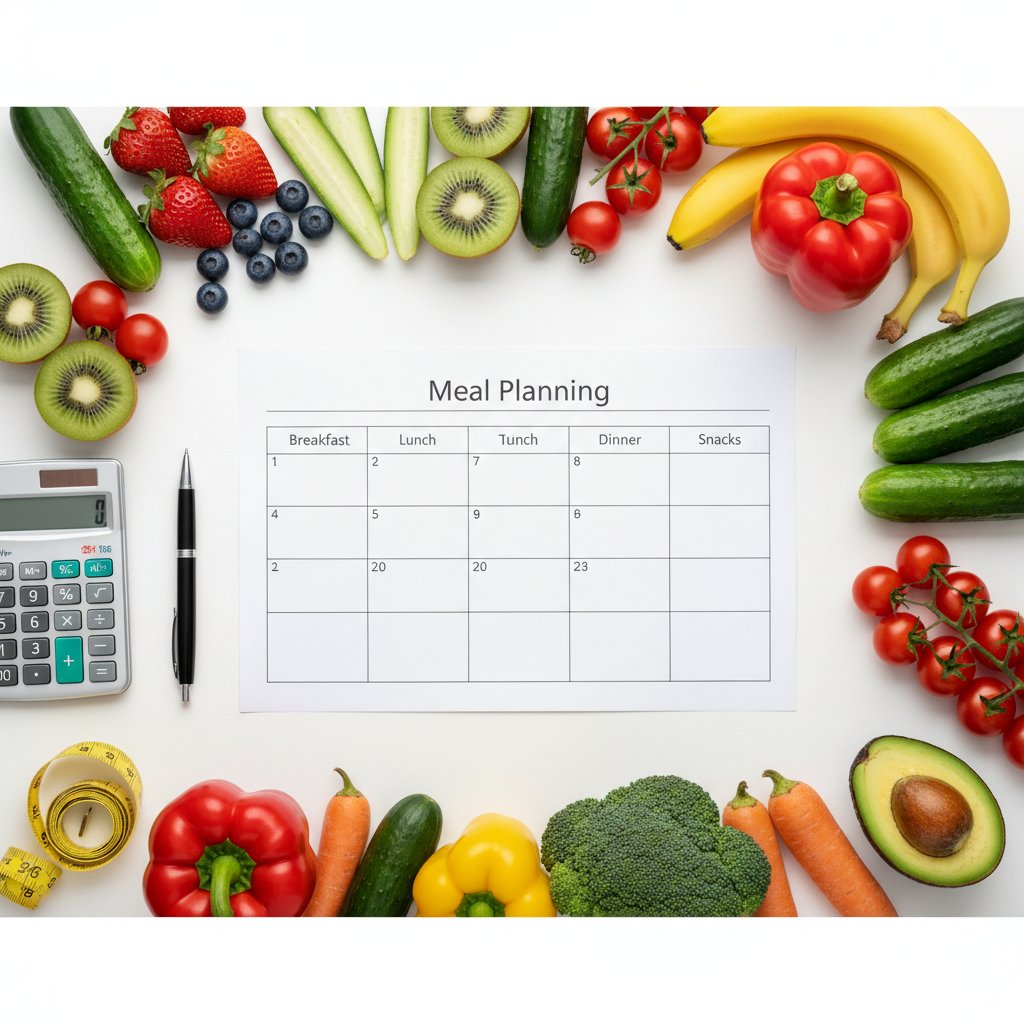
Sarah stared at her credit card statement, confused. The $150 she'd paid her dietitian last month? That was just the appetizer. Between supplements her nutritionist "strongly recommended," the organic grocery haul that rivaled her car payment, and meal prep containers that cost more than her dishes, she'd blown through $600. Nobody warned her about the financial rabbit hole that comes with getting a custom nutrition plan.
You've seen the Instagram transformations. The glowing testimonials about life-changing meal plans. What you haven't seen? The real price tag hiding behind that initial consultation fee.
The Sticker Shock Nobody Talks About
Most dietitians advertise their services somewhere between $100-$300 for an initial consultation and personalized plan. Sounds reasonable, right? That's what the industry wants you to think.
Here's what actually happens: You walk out with a beautifully formatted PDF detailing your macros, meal timing, and a grocery list that reads like a Whole Foods fever dream. Then reality hits.
A 2023 survey by the Academy of Nutrition and Dietetics found that clients spend an average of $847 in their first month implementing a custom nutrition plan. The consultation fee? Just 18% of that total.
Where Your Money Actually Goes
The Specialty Food Markup
Your new meal plan probably includes grass-fed beef, wild-caught salmon, organic vegetables, and ancient grains you can't pronounce. These aren't suggestions—they're usually presented as non-negotiables for "optimal results."
Compare: A conventional grocery bill for one person runs about $250 monthly. Following a typical dietitian-prescribed plan? You're looking at $400-$550. That's an extra $1,800-$3,600 annually just on groceries.
The Supplement Trap
Ah yes, the supplements. Most nutrition professionals will recommend at least three to five products: a quality multivitamin, omega-3s, probiotics, maybe some protein powder, and whatever addresses your specific health goals.
"I tell my clients supplements should complement their diet, not compensate for it," says Jennifer Martinez, a registered dietitian in Portland. "But the industry pushes us to recommend products. Some practitioners get kickbacks from supplement companies, though they won't admit it."
Monthly supplement costs easily hit $80-$150. Many dietitians have affiliate relationships with brands, which creates a financial incentive you're never told about upfront.
Follow-Up Fees That Never End
That initial plan? It's not a one-and-done deal. Most dietitians recommend follow-up sessions every 2-4 weeks for "accountability and adjustments." These run $75-$150 per session.
Do the math: Six follow-ups over three months adds $450-$900 to your investment. Some practitioners offer package deals that seem like savings but lock you into longer commitments.
Equipment and Meal Prep Costs
Nobody mentions you'll need a food scale ($25), quality meal prep containers ($40-$80), possibly a new blender for those morning smoothies ($60-$150), and maybe an Instant Pot because "it makes meal prep so much easier" ($80-$120).
Then there's the time cost. Meal prepping takes 3-5 hours weekly. If you're billing $30/hour at your job, that's $390-$650 monthly in opportunity cost.
The Hidden Psychological Costs
Money isn't the only currency you're spending. The mental load of tracking macros, weighing food, and stressing about "compliance" takes a toll nobody quantifies.
Dr. Rebecca Stone, a psychologist specializing in eating behaviors, notes: "I see clients who develop anxiety around food after working with overly rigid nutrition plans. The financial investment creates pressure to be perfect, which backfires nutritionally and psychologically."
When It's Actually Worth It
Custom nutrition plans aren't scams. They work brilliantly for specific situations: managing diabetes, addressing autoimmune conditions, preparing for athletic competitions, or dealing with confirmed food sensitivities.
The problem? The industry markets these services to everyone, including people who'd do just fine with basic nutrition education and a $15 cookbook.
Questions to Ask Before Committing
- What's the realistic monthly cost including groceries, supplements, and follow-ups?
- Do you receive commissions from recommended products?
- Can I achieve similar results with more affordable food choices?
- How long should I expect to need follow-up sessions?
- What happens if I can't afford the recommended supplements?
Key Takeaways
- First-month costs average $847, with consultation fees representing only 18% of total expenses
- Grocery bills typically increase by $150-$300 monthly when following specialized plans
- Supplement recommendations add $80-$150 monthly, often with undisclosed affiliate relationships
- Follow-up sessions cost $75-$150 each, with most practitioners recommending 6+ visits
- Time investment for meal prep equals $390-$650 monthly in opportunity cost
- Custom plans are most valuable for specific medical conditions, not general weight loss
Sarah eventually found a middle ground. She kept the basic framework of her nutrition plan but swapped expensive ingredients for affordable alternatives. Her dietitian wasn't thrilled about the frozen vegetables and conventional eggs, but Sarah's health markers improved anyway. Turns out the principles matter more than the price point.
Before you hand over your credit card, calculate the real cost. Sometimes the best investment in your health is learning to cook simple, nutritious meals—not financing someone else's supplement affiliate income.